As Ryan Spencer reports for the Summit Daily, the Trump administration’s scrutiny of national parks, monuments, and other federally-funded points of historical interest for materials considered offensive to Trump’s grade-school jingoistic view of American history, which we’ve discussed in this space a few times, rolls on beneath the din of everything else competing for your attention in the headlines:
In Colorado, at least 10 different items — including interpretive signs about pikas, white-tailed ptarmigans, high-Alpine tundra and books about Native American history — at two national parks have been flagged for review under the administration’s orders, according to an internal government database.
An anonymous group describing itself as “civil servants on the front lines” published the database online earlier this month. The Washington Post has reported that the database includes hundreds of items related to the nation’s history of slavery and segregation, Native American removal, sexism, LGBTQ+ rights, climate change and pollution that were flagged for review under the administration’s orders at national park sites around the country
The executive order Trump issued last March states that there has been a “concerted and widespread effort” to “undermine the remarkable achievements” of the U.S. by casting history in a “negative light.” It ordered Interior Secretary Doug Burgum to ensure all public monuments, memorials, statues and markers do not contain negative depictions of the country but instead focus “on the greatness of the achievements and progress of the American people” and the “natural features, the beauty, abundance and grandeur of the American landscape.”
The items “flagged for review” as potentially “negative” in their portrayal of American history are historically accurate maps of steadily shrinking Native American reservations, a sign explaining how warmer winter temperatures allow pine beetles to spread, which is a fact no matter why you think temperatures are warmer–and even signs warning park visitors not to stomp on fragile alpine wildflowers, because apparently stomping on alpine wildflowers is Americans’ sacred right.
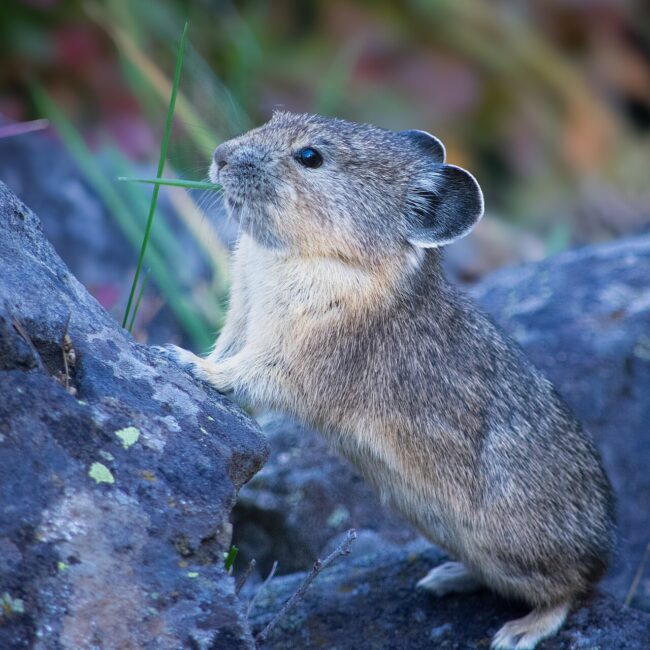
But it’s what could be the cutest wild animal of the Mountain West, the American Pika, that tugs at our childhood emotions as the administration considers removing signage that suggests warming temperatures could imperil their future, too. The pika can die in temperatures above 80 degrees, which seems like pertinent information during Colorado’s hottest March on record. But because this might lead to inquisitive children asking why it’s getting consistently warmer year after year, down the memory hole goes the pika.
For now, anyway. When the Trump era is over, there will be lots of signs to change back.
Subscribe to our monthly newsletter to stay in the loop with regular updates!
Comments