

U.S. Senate
See Full Big Line
(D) J. Hickenlooper*
(D) Julie Gonzales
(R) Mark Baisley
80%
20%↓
10%
Governor
See Full Big Line
(D) Phil Weiser
(D) Michael Bennet
(R) Victor Marx
50%↑
50%
20%
Att. General
See Full Big Line
(D) Jena Griswold
(D) M. Dougherty
(D) Hetal Doshi
40%
30%↑
30%
Sec. of State
See Full Big Line
(D) J. Danielson
(D) A. Gonzalez
(R) James Wiley
50%
50%
10%
State Treasurer
See Full Big Line
(D) Jeff Bridges
(R) Kevin Grantham
80%↑
20%↓
CO-01 (Denver)
See Full Big Line
(D) Diana DeGette*
(D) Melat Kiros
(D) Wanda James
55%↓
45%↑
10%↓
CO-02 (Boulder-ish)
See Full Big Line
(D) Joe Neguse*
(R) Somebody
90%
2%
CO-03 (West & Southern CO)
See Full Big Line
(R) Jeff Hurd*
(D) Dwayne Romero(D) Alex Kelloff
50%↓
35%↑
30%↓
CO-04 (Northeast-ish Colorado)
See Full Big Line
(R) Lauren Boebert*
(D) E. Laubacher
80%
20%
CO-05 (Colorado Springs)
See Full Big Line
(R) Jeff Crank*
(D) Jessica Killin
53%↓
48%↑
CO-06 (Aurora)
See Full Big Line
(D) Jason Crow*
(R) Mel Tewahade
90%
2%
CO-07 (Jefferson County)
See Full Big Line
(D) B. Pettersen*
(R) A. Capobianco
90%
2%
CO-08 (Northern Colo.)
See Full Big Line
(R) Gabe Evans*
(D) Manny Rutinel
(D) Shannon Bird
45%↓
40%↑
30%
State Senate Majority
See Full Big Line
DEMOCRATS
REPUBLICANS
80%
20%
State House Majority
See Full Big Line
DEMOCRATS
REPUBLICANS
95%
5%
[wpdreams_ajaxsearchlite]
 March 23, 2026 12:20 PM UTC
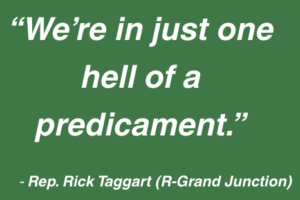 When Gov. Jared Polis called state lawmakers into a
 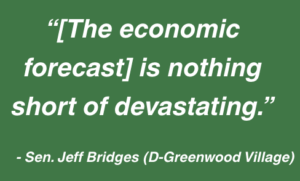 Now, Democrats are working to decouple those tax cuts from state law, but the effort won’t cover the difference and will definitely prompt budget cuts elsewhere.
 In addition to making massive cuts to popular programs, lawmakers also must figure out how to maintain a 15% reserve in the state budget (as of Friday, that reserve was still about $389 million short).
Comments