U.S. Senate See Full Big Line

(D) J. Hickenlooper*

(D) Julie Gonzales

(R) Janak Joshi

80%

20%

10%

(D) Michael Bennet (D) Phil Weiser
55% 50%↑
Att. General See Full Big Line

(D) Jena Griswold

(D) M. Dougherty

(D) Hetal Doshi

40%↓

30%

30%

Sec. of State See Full Big Line
(D) J. Danielson (D) A. Gonzalez
50%↑ 20%↓
State Treasurer See Full Big Line

(D) Jeff Bridges

(D) Brianna Titone

(R) Kevin Grantham

70%↑

20%↓

20%

CO-01 (Denver) See Full Big Line

(D) Diana DeGette*

(D) Milat Kiros

(D) Wanda James

70%↓

20%↑

10%↓

CO-02 (Boulder-ish) See Full Big Line

(D) Joe Neguse*

(R) Somebody

90%

2%

CO-03 (West & Southern CO) See Full Big Line

(R) Jeff Hurd*

(D) Alex Kelloff

(R) H. Scheppelman

60%↓

30%↓

20%↑

CO-04 (Northeast-ish Colorado) See Full Big Line

(R) Lauren Boebert*

(D) E. Laubacher

(D) Trisha Calvarese

90%

30%↑

20%

CO-05 (Colorado Springs) See Full Big Line

(R) Jeff Crank*

(D) Jessica Killin

53%↓

48%↑

CO-06 (Aurora) See Full Big Line

(D) Jason Crow*

(R) Somebody

90%

2%

CO-07 (Jefferson County) See Full Big Line

(D) B. Pettersen*

(R) Somebody

90%

2%

CO-08 (Northern Colo.) See Full Big Line

(R) Gabe Evans*

(D) Shannon Bird

(D) Manny Rutinel

45%↓

30%

30%

State Senate Majority See Full Big Line

DEMOCRATS

REPUBLICANS

80%

20%

State House Majority See Full Big Line

DEMOCRATS

REPUBLICANS

95%

5%

[wpdreams_ajaxsearchlite]
March 23, 2026 02:25 PM UTC

Legislation That Rips The Scab Off A Huge Problem

  •  
  • by: Colorado Pols

The Denver Post’s Seth Klamann reported over the weekend on as piece of legislation that is unlikely to make it all the way through the process and be signed into law, but nonetheless deserves more attention because of the very serious problem that it acknowledges: giant corporations who pay their workers so little that they qualify for public assistance programs like Medicaid. This inequity foisted on the taxpayer is especially problematic as the state faces a deepening budget crisis:

As Colorado policymakers grapple with the state’s increasing Medicaid costs, an Arvada legislator has an idea for how to fill some of the gap…

House Bill 1327 would apply to a small group of large companies, requiring them to pay a $2,300 fee for each worker whose pay is low enough to qualify for Medicaid, the federal-state safety net health insurance program. The money would then flow back to the state to support Medicaid providers, who face rate cuts this year amid broader existential fears about the program’s overall fiscal future.

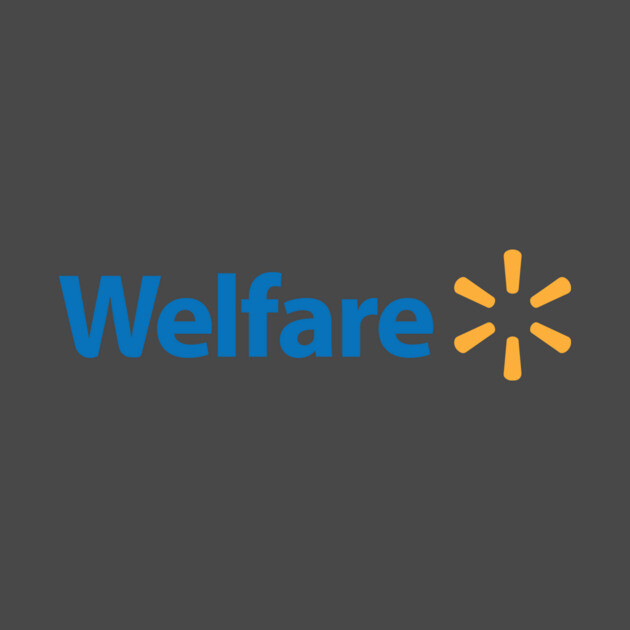
The bill contains a range of exemptions and would only apply to large businesses with more than 500 employees in the state. With that said, an estimated 25,000 employees in Colorado would fall into the category targeted by the legislation, and their employers would have to pay up to help cover the public benefits their employees rely on. Klamann reports that 9,000 Walmart employees, fully 31% of their total head count in Colorado, would qualify.

Of course, even good liberals have to acknowledge that this kind of policy at the state level could easily be subverted by big corporations, potentially at the direct expense of employees it seeks to help:

“We get the intention behind the bill, and it’s really a good one, to ask large employers who benefit from public benefits to pay a little more to help offset those costs,” said Kathy White, the executive director of the liberal Colorado Fiscal Institute.

Still, she cautioned that the policy may have unintended consequences.

Large companies “will change their behavior to make their labor costs less,” she continued. “And if you’re making it more expensive for them to hire workers who are likely to be on Medicaid, they either aren’t going to hire those workers who are likely to be on Medicaid, or they’re going to reduce wages and benefits across the board.”

As for business lobbyists? The answer is screw the taxpayers, keep on subsidizing our underpaid workforce:

Katie Wolf, of the Colorado Retail Council, said the bill would discourage larger employers from hiring part-time workers.

“The way that taxes work currently is that everyone pays in and a lot of that money goes to Medicaid now,” she said. “So I would say all these companies are paying their fair share and what they’re supposed to be paying to cover employees.”

The response to this is simple: if these companies were “paying their fair share,” their employees wouldn’t need to be on Medicaid.

This is a bill that speaks to a very real problem, one that the state can’t ignore as spiraling Medicaid costs drive a budget crisis that has been made far worse by federal cuts that paid for even more tax breaks for the same large corporations. It’s possible that the system isn’t ready for this frank acknowledgement of corporate welfare passed off as individual entitlement, and it’s possible that one small state can’t force this kind of sweeping reform on its own.

But if you look at the numbers and who truly benefits, it’s clear that something has to change. We’re pleased to see lawmakers identifying the connection.

Comments

Recent Comments


Posts about Donald Trump

Posts about Rep. Gabe Evans

Posts about Rep. Lauren Boebert

Posts about the Colorado House

Posts about the Colorado Senate


68 readers online now

Newsletter

Subscribe to our monthly newsletter to stay in the loop with regular updates!