As Politico’sKyle Cheneyreports, Donald Trump’s quest to rewrite the sordid history of the 2020 presidential elections into martyrdom for himself and co-conspirators who abbeted his two-month temper tantrum over losing his bid for re-election took another step forward with pardons issued to a variety of marginal figures, including names Coloradans will recognize:
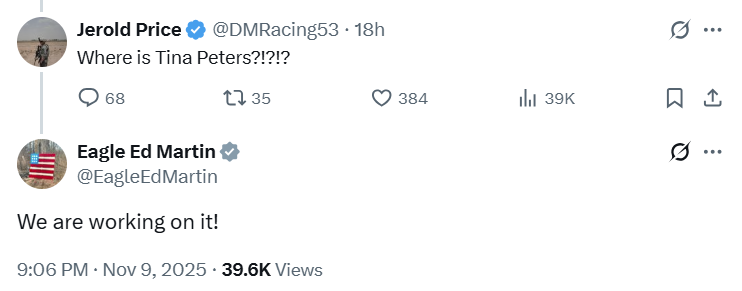
President Donald Trump has pardoned a long list of prominent allies who backed his effort to subvert the 2020 election, according to Justice Department Pardon Attorney Ed Martin, who posted the relevant document Sunday night.
Among those who received the “full, complete and unconditional” pardons were Rudy Giuliani, who helped lead an effort to pressure state legislatures to reject Joe Biden’s victories in key swing states; Mark Meadows, Trump’s chief of staff in 2020 and a crucial go-between for Trump and state officials; John Eastman and Kenneth Chesebro, two attorneys who helped devise a strategy to pressure then-Vice President Mike Pence to overturn the election on Jan. 6, 2021; Boris Epshteyn, a longtime Trump adviser; and Sidney Powell, a conservative attorney who launched a fringe legal assault on election results in key swing states…
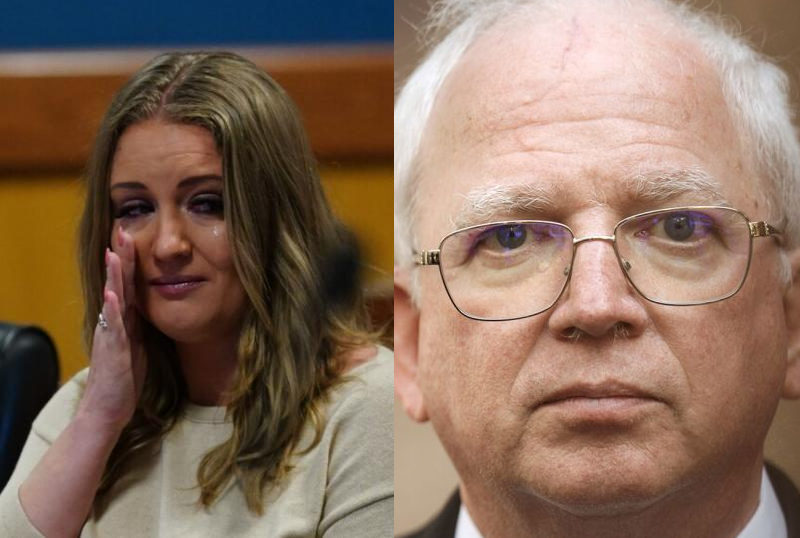
The pardons also include Jenna Ellis, a Trump campaign attorney who worked closely with Giuliani but later pleaded guilty to charges in Georgia and cooperated with prosecutors in multiple states. Chesebro, too, pleaded guilty to a felony charge in Georgia and cooperated with prosecutors in Arizona and Nevada.
But as locals who have followed the case of convicted felon former Mesa County Clerk Tina Peters are aware, Trump has no power to pardon individuals accused or convicted of state crimes, meaning:
The pardons are largely symbolic — none of those identified were charged with federal crimes. [Pols emphasis]
What’s the point, you ask? Well, with the state cases related to Trump’s attempted theft of the 2020 presidential election in the legal equivalent of development hell, this pardon allows all of these very fine people to retort when someone points out that they are, as in former Colorado traffic lawyer Jenna Ellis’ case convicted felons, they can respond “but I’ve been pardoned by the President”–and in at least half of those cases nobody will bother to ask about the difference between a state felony and a federal crime. In Ellis’ case, the pardon is also noteworthy after she sang like a canary about the plot to ignore the election results in 2020, an act of betrayal that made Ellis persona non grata at Mar-a-Lago parties.
But for undoing Ellis’ felony conviction or ex-CU conservative affirmative action scholar John Eastman’sdisbarment, a Trump pardon is about as useful as…well, a fake elector. Where does that leave the last remaining incarcerated criminal from the 2020 coup plot, Colorado’s Tina Peters?
Peters’ imprisonment still weighs on Trump’s conscience, as it should. It may be the only proof left that he still has one.
But undoing justice served in Tina Peters’ case is still one jurisdictional finger out of reach.

 November 10, 2025 03:40 PM UTC
Comments