
U.S. Senate
See Full Big Line
(D) J. Hickenlooper*
(D) Julie Gonzales
(R) Mark Baisley
80%
20%↓
10%
Governor
See Full Big Line
(D) Phil Weiser
(D) Michael Bennet
(R) Victor Marx
50%↑
50%
20%
Att. General
See Full Big Line
(D) Jena Griswold
(D) M. Dougherty
(D) Hetal Doshi
40%
30%↑
30%
Sec. of State
See Full Big Line
(D) J. Danielson
(D) A. Gonzalez
(R) James Wiley
50%
50%
10%
State Treasurer
See Full Big Line
(D) Jeff Bridges
(R) Kevin Grantham
80%↑
20%↓
CO-01 (Denver)
See Full Big Line
(D) Diana DeGette*
(D) Melat Kiros
(D) Wanda James
55%↓
45%↑
10%↓
CO-02 (Boulder-ish)
See Full Big Line
(D) Joe Neguse*
(R) Somebody
90%
2%
CO-03 (West & Southern CO)
See Full Big Line
(R) Jeff Hurd*
(D) Dwayne Romero(D) Alex Kelloff
50%↓
35%↑
30%↓
CO-04 (Northeast-ish Colorado)
See Full Big Line
(R) Lauren Boebert*
(D) E. Laubacher
80%
20%
CO-05 (Colorado Springs)
See Full Big Line
(R) Jeff Crank*
(D) Jessica Killin
53%↓
48%↑
CO-06 (Aurora)
See Full Big Line
(D) Jason Crow*
(R) Mel Tewahade
90%
2%
CO-07 (Jefferson County)
See Full Big Line
(D) B. Pettersen*
(R) A. Capobianco
90%
2%
CO-08 (Northern Colo.)
See Full Big Line
(R) Gabe Evans*
(D) Manny Rutinel
(D) Shannon Bird
45%↓
40%↑
30%
State Senate Majority
See Full Big Line
DEMOCRATS
REPUBLICANS
80%
20%
State House Majority
See Full Big Line
DEMOCRATS
REPUBLICANS
95%
5%
[wpdreams_ajaxsearchlite]
 June 26, 2026 12:35 PM UTC
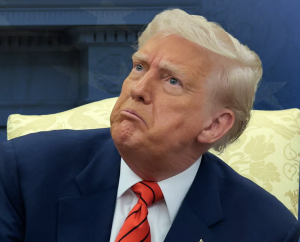 Despite what Donald Trump and Tina Peters would have you believe, verifiable examples of voter fraud
  First, as
Comments