U.S. Senate See Full Big Line

(D) J. Hickenlooper*

(R) Janak Joshi

80%

20%

(D) Michael Bennet

(D) Phil Weiser
55%

50%↑
Att. General See Full Big Line

(D) Jena Griswold

(D) M. Dougherty

(D) Hetal Doshi

50%

40%↓

30%

Sec. of State See Full Big Line
(D) J. Danielson

(D) A. Gonzalez
50%↑

20%↓
State Treasurer See Full Big Line

(D) Jeff Bridges

(D) Brianna Titone

(R) Kevin Grantham

50%↑

40%↓

30%

CO-01 (Denver) See Full Big Line

(D) Diana DeGette*

(D) Wanda James

(D) Milat Kiros

80%

20%

10%↓

CO-02 (Boulder-ish) See Full Big Line

(D) Joe Neguse*

(R) Somebody

90%

2%

CO-03 (West & Southern CO) See Full Big Line

(R) Jeff Hurd*

(D) Alex Kelloff

(R) H. Scheppelman

60%↓

40%↓

30%↑

CO-04 (Northeast-ish Colorado) See Full Big Line

(R) Lauren Boebert*

(D) E. Laubacher

(D) Trisha Calvarese

90%

30%↑

20%

CO-05 (Colorado Springs) See Full Big Line

(R) Jeff Crank*

(D) Jessica Killin

60%↓

40%↑

CO-06 (Aurora) See Full Big Line

(D) Jason Crow*

(R) Somebody

90%

2%

CO-07 (Jefferson County) See Full Big Line

(D) B. Pettersen*

(R) Somebody

90%

2%

CO-08 (Northern Colo.) See Full Big Line

(R) Gabe Evans*

(D) Shannon Bird

(D) Manny Rutinel

45%↓

30%

30%

State Senate Majority See Full Big Line

DEMOCRATS

REPUBLICANS

80%

20%

State House Majority See Full Big Line

DEMOCRATS

REPUBLICANS

95%

5%

Generic selectors
Exact matches only
Search in title
Search in content
Post Type Selectors
September 03, 2025 10:14 AM UTC

Colorado's Fiscal Starvation Diet: How About A Real Solution?

  •  
  • by: Colorado Pols
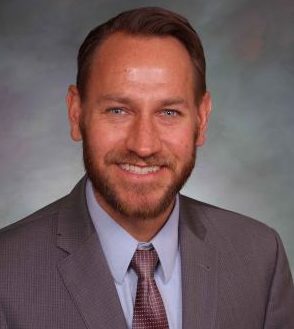
Former Rep. Chris deGruy Kennedy (D).

After a difficult week of budget cuts and loophole closures to address the billion-dollar hole in Colorado’s state budget opened by the passage of the federal “We’re All Going To Die Act” budget bill, the Denver Post’s Nick Coltrain and Seth Klamann report that a coalition of progressive advocacy groups is kicking off a campaign for a ballot measure that could pull Colorado out of the self-imposed fiscal austerity the state has lived under since the passage of the 1992 so-called “Taxpayer’s Bill of Rights,” and put an end to the annual tradeoffs between the funding of vital programs and services that leave no one happy:

A pitch to shore up Colorado’s Medicaid program and schools by ramping up taxes on the state’s wealthiest residents will likely go to voters next year under a proposal set to be announced Wednesday morning by a coalition of progressive groups…

The changes would raise another $2.3 billion per year for the state, according to an analysis by the initiative’s backers. They would also include breaking a key piece of the Taxpayers’ Bill of Rights, or TABOR, the longstanding state constitutional amendment that governs state tax policy.

TABOR, among other things, requires the state to have the same income tax rate for all residents, regardless of income. Colorado is one of 15 states with a flat tax, while 27 others plus the District of Columbia tax higher-income residents at a higher rate than lower-income residents pay.

The Colorado Sun’s Jesse Paul:

The pursuit of a graduated income tax rate represents a change for Democrats, who loathe TABOR and have been trying to unwind it for most of the policy’s 30-plus years in existence.

Democrats have realized the futility of trying to rid Colorado of TABOR altogether, mostly because it’s popular among voters. But they see a graduated income tax rate as a happy middle ground that’s much easier to message: People who earn more should pay more in taxes and people who earn less should pay less.

“Frankly, I’ve thought this was the right way to go for the last 10 years,” deGruy Kennedy said. “There are things about TABOR that voters very strongly support, like their ability to vote on their own tax increase. I think voters are really attached to their TABOR refunds, and that’s understandable given that cost-of-living pressures have been one of the prevailing issues.”

Politically, this proposal has advantages over previous attempts to raise revenue in recent years that voters have rejected. The graduated tax proposal spares all but high earners from any increase, and raises revenue from those who can most afford to pay. Proponents are reportedly considering several ideas for targeting the funds raised, including the possibility of not hamstringing lawmakers at all with such a provision and letting the new revenue be appropriated during the normal annual budgeting process. Either way, moving to a graduated income tax structure would bring Colorado into line with the majority of states who already do the same thing.

Passage of this major reform to Colorado’s tax structure by the statewide vote that TABOR mandates will require a large, well-funded campaign in a favorable political climate to overcome the state’s well-entrenched and ideologically committed “drown government in the bathtub” conservative groups, for whom TABOR is a sacred cow to be cherished even though no other state has seen fit to pass a similar law. These groups hate to admit that a statewide vote is perfectly in keeping with TABOR to make changes when voters deem it necessary.

After learning once again a painful lesson about relying too much on the fickle federal government, perhaps 2026 will be the year voters finally opt for a major course correction.

Comments

Recent Comments


Posts about

Donald Trump
SEE MORE

Posts about

Rep. Lauren Boebert
SEE MORE

Posts about

Rep. Gabe Evans
SEE MORE

Posts about

Colorado House
SEE MORE

Posts about

Colorado Senate
SEE MORE

117 readers online now

Newsletter

Subscribe to our monthly newsletter to stay in the loop with regular updates!