

U.S. Senate
See Full Big Line
(D) J. Hickenlooper*
(D) Julie Gonzales
(R) Mark Baisley
80%
20%
10%
Governor
See Full Big Line
(D) Michael Bennet
(D) Phil Weiser
(R) Victor Marx
50%↓
50%↑
20%
Att. General
See Full Big Line
(D) Jena Griswold
(D) M. Dougherty
(D) Hetal Doshi
40%↓
30%
30%
Sec. of State
See Full Big Line
(D) J. Danielson
(D) A. Gonzalez
(R) James Wiley
50%↓
30%↑
10%
State Treasurer
See Full Big Line
(D) Jeff Bridges
(R) Kevin Grantham
80%↑
20%↓
CO-01 (Denver)
See Full Big Line
(D) Diana DeGette*
(D) Milat Kiros
(D) Wanda James
70%↓
20%↑
10%↓
CO-02 (Boulder-ish)
See Full Big Line
(D) Joe Neguse*
(R) Somebody
90%
2%
CO-03 (West & Southern CO)
See Full Big Line
(R) Jeff Hurd*
(D) Alex Kelloff
(D) Dwayne Romero
(R) Ron Hanks
60%↓
30%↓
30%↑
30%
CO-04 (Northeast-ish Colorado)
See Full Big Line
(R) Lauren Boebert*
(D) E. Laubacher
80%
20%

CO-05 (Colorado Springs)
See Full Big Line
(R) Jeff Crank*
(D) Jessica Killin
53%↓
48%↑
CO-06 (Aurora)
See Full Big Line
(D) Jason Crow*
(R) Somebody
90%
2%
CO-07 (Jefferson County)
See Full Big Line
(D) B. Pettersen*
(R) Somebody
90%
2%
CO-08 (Northern Colo.)
See Full Big Line
(R) Gabe Evans*
(D) Shannon Bird
(D) Manny Rutinel
45%↓
30%
30%
State Senate Majority
See Full Big Line
DEMOCRATS
REPUBLICANS
80%
20%
State House Majority
See Full Big Line
DEMOCRATS
REPUBLICANS
95%
5%
[wpdreams_ajaxsearchlite]
 June 19, 2014 03:20 PM UTC
 It's impossible to miss the irony: Lamar, the host community of Colorado's first commercial wind farm. A wind turbine blade exhibited proudly on Main Street, a testament to the coming 'New Energy Economy'.
  Today, Lamar faces a stormy and uncertain financial future. A region drowning in Class 5 wind resources. Rich soils and river water. A community of souls who have endured, and to date prospered from nearly every Biblical plague one could imagine.
 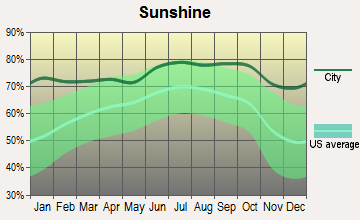 The United States Department of Agriculture recently released a study,
  State-controlled assets like Ft. Lyons could play a central role in re-establishing a new economy; Colorado's leadership on industrial hemp development is well-suited for the area. The region has both a Junior College in La Junta and a Community College in Lamar; airports, a proximity to urban markets and nothing but opportunity. But as Albert Einstein is quoted as saying, "we can't solve problems by using the same kind of thinking we used when we created them." The very second we rural Coloradans drop the premise that we're independent, and embrace the fact we are interdependent, life for us will change for the better. Embrace Einstein's challenge. Form uncommon (or unthinkable) alliances. Stop believing that our urban counterparts don't like us. Our challenges are immense – trumped only by our opportunities. This will take leadership – from the Governor's chair to the coffee shop in downtown Lamar. Over 100 years ago my relatives first homesteaded in Lamar on their journey to a new life in the west. A few years later Mother Nature drove my great-grandfather north in search of water, leaving his brother behind. A century later some of those same challenges present themselves again for those who stayed. This time we're armed with technology and programs that make an exodus unnecessary. Let's get it right – and be all that we can be.
Comments