Commentator Bill Scher writes for Real Clear Politics today:
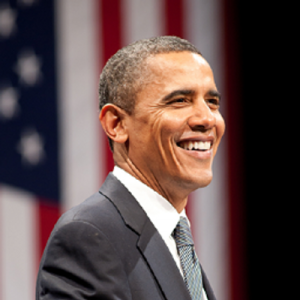
After a lame-duck period in which we’ve seen a Cuba thaw, a China climate deal, and an undocumented immigrant reprieve, President Obama was awarded with his highest approval ratings in many months. His popularity has ticked up since November, with young voters, women and—most notably—independents accounting for the boost.
“How can this be?” Republicans must be wondering. They just seized the Senate with a campaign based on little else but attacking incumbent Democrats for voting with Obama. Why are Americans rewarding him now? It’s a question Republicans should think long and hard about before they fully take over Congress next week.
Obama’s increased popularity is a reminder that voters did not rebuff him in November solely on ideological grounds, but also out of frustration with a dysfunctional Washington unable to address long-standing national problems. [Pols emphasis] When Obama is seen blowing through the roadblocks, that frustration dissipates.
RCP's poll average of President Barack Obama's approval rating slipped underwater in May of 2013, and since then the president's approval numbers have been locked in a pretty consistent ten-point deficit. It will take some time for these most recent approval numbers to chip away at that average, but where the President was polling in the low forties and even upper thirties as recently as the middle of this month, three new polls show Obama in the 46-48% range.
There's no question that dissatisfaction with President Obama played a large role in Democratic losses in this year's midterm elections. That said, public perception of who is to blame for the federal government's dysfunction swings back and forth based on a fickle news cycle. Right after the GOP's 2013 shutdown of the federal government, that party overwhelmingly took the blame in public opinion polls. In the period between the shutdown and this year's elections, however, Obamacare's rollout problems helped undo the damage the GOP suffered from the shutdown. Relentless Republican attacks on the Affordable Care Act, along with a raft of other allegations that ultimately came to nothing–Benghazi, Lernergate, Ebola–helped shift the mantle of dysfunction back onto Democrats and the Obama administration through the election. Republican candidates like Colorado's Cory Gardner hyped these nothingburgers to the utmost, while promising that they themselves would be different:
Successful Republican campaigns in swing states captured the frustrated mood of the electorate. When Colorado’s Cory Gardner attacked Sen. Mark Udall’s partisanship, he focused not on criticism of Democratic positions but on his own pledge to get things done in a bipartisan fashion.
“When my party is wrong, I’ll say it,” Gardner vowed. “When something is broken, I’ll fix it.”
Today, with the election over, Obama's highly productive few weeks are reminding voters what a functioning government looks like, and the voters appear to be rewarding him. Meanwhile, Gardner has already broken faith with progress-minded voters after his vote against President Obama's action on immigration. Would it have been better for Obama to have taken these actions, especially on immigration, before the election? There's a strong hindsight argument in favor, but it's difficult to say how the public would have reacted during the heated rhetoric of the election season. We could see a full-throated Republican freakout over Obama's immigration executive orders provoking the opposite effect on voters before the election as Obama's action appears to be having now.
What does it mean for 2016? There are a lot of moving parts, but it's clear what the voters want. They want a government that gets things done, and they'll reward who they see challenging the broken system. The other side of that coin is punishment for those who are perceived to be helping break the system down. Nobody likes blame games, but this surely is one–and like it or not, the dysfunction of the last six years in Washington is going to be a major battleground of 2016.
If we were advising Republicans, we would suggest becoming part of the solution for the next two years.
Subscribe to our monthly newsletter to stay in the loop with regular updates!
Comments