

U.S. Senate
See Full Big Line
(D) J. Hickenlooper*
(D) Julie Gonzales
(R) Janak Joshi
80%
40%
20%
Governor
See Full Big Line
(D) Michael Bennet
(D) Phil Weiser
55%
50%↑
Att. General
See Full Big Line
(D) Jena Griswold
(D) M. Dougherty
(D) Hetal Doshi
50%
40%↓
30%
Sec. of State
See Full Big Line
(D) J. Danielson
(D) A. Gonzalez
50%↑
20%↓
State Treasurer
See Full Big Line
(D) Jeff Bridges
(D) Brianna Titone
(R) Kevin Grantham
50%↑
40%↓
30%
CO-01 (Denver)
See Full Big Line
(D) Diana DeGette*
(D) Wanda James
(D) Milat Kiros
80%
20%
10%↓
CO-02 (Boulder-ish)
See Full Big Line
(D) Joe Neguse*
(R) Somebody
90%
2%
CO-03 (West & Southern CO)
See Full Big Line
(R) Jeff Hurd*
(D) Alex Kelloff
(R) H. Scheppelman
60%↓
40%↓
30%↑
CO-04 (Northeast-ish Colorado)
See Full Big Line
(R) Lauren Boebert*
(D) E. Laubacher
(D) Trisha Calvarese
90%
30%↑
20%
CO-05 (Colorado Springs)
See Full Big Line
(R) Jeff Crank*
(D) Jessica Killin
55%↓
45%↑
CO-06 (Aurora)
See Full Big Line
(D) Jason Crow*
(R) Somebody
90%
2%
CO-07 (Jefferson County)
See Full Big Line
(D) B. Pettersen*
(R) Somebody
90%
2%
CO-08 (Northern Colo.)
See Full Big Line
(R) Gabe Evans*
(D) Shannon Bird
(D) Manny Rutinel
45%↓
30%
30%
State Senate Majority
See Full Big Line
DEMOCRATS
REPUBLICANS
80%
20%
State House Majority
See Full Big Line
DEMOCRATS
REPUBLICANS
95%
5%
 December 26, 2014 01:23 PM UTC
 Giving credit where credit is due, KeystoneXL is someone's vision; when political will combined with that vision the opportunity moved from 'paper to pipeline'. This grand scheme dictates the destruction of the boreal forest, extracting hydrocarbons formed millions of years ago, forced in a pipeline and moved thousands of miles to Gulf refineries where the final product will be shipped to foreign lands. It promises thousands of temporary construction jobs and a handful of permanent jobs; it holds the possibility of polluting the nation's largest underground fresh water supply, the Ogallala, and most economists predict the pipeline will increase the cost of gasoline in the Rocky Mountain region 10 to 20 cents per gallon.
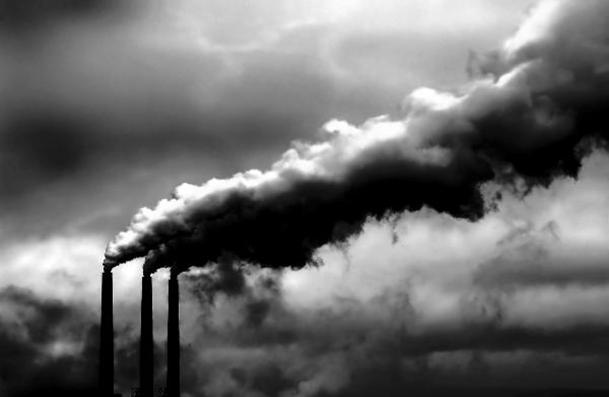 But lets for a moment revision the foundation of the Canadian project: the 1,379 miles of pipe laid horizontal and pointing towards Texas. Let's turn it 90 degrees vertical and apply an American idea to the proposal. Slicing the pipeline into 212 foot segments (the average height of a wind turbine tower, and turning the pipe upwards gives us 34,337 opportunities for wind development across our midwestern landscape. Using a Colorado-made Vestas product, those sticks transform themselves into 72 gigawatts of wind energy potential, nearly enough generation capacity to displace the 329 coal plants in the United States that face retirement from age or inability to meet new air standards. Instead of creating a carbon bomb, we've created the infrastructure to displace hundreds of millions of tons of carbon dioxide annually.
 As a part-time creature of Washington, DC mired in rural policy issues, I have little faith that grand visions are possible in today's poisoned political well. My example of slicing the pipeline into wind towers was merely illustrtive but to prove a point on how my personal perspective judges the Keystone plan quite differently from my neighbors. The structural challenges in todays money-soaked, two-party system are daunting. January will bring us a new majority in Congress that conventional wisdom instructs us will be antagonistic towards alternative forms of energy. For now I'll hold that criticism until it is earned: Teddy Roosevelt gave us the National Park System; Richard Nixon the EPA, George H.W. Bush gave us the nation's first cap-and-trade program (acid rain) and George W. Bush gave us our nation's Renewable Fuel Standard after putting in place, as Texas Governor, one of the most aggressive wind energy portfolios in the nation. Unconventional wisdom might better instruct us that new opportunities are just around the corner.
Comments