U.S. Senate See Full Big Line

(D) J. Hickenlooper*

(D) Julie Gonzales

(R) Janak Joshi

80%

40%

20%

(D) Michael Bennet

(D) Phil Weiser
55%

50%↑
Att. General See Full Big Line

(D) Jena Griswold

(D) M. Dougherty

(D) Hetal Doshi

50%

40%↓

30%

Sec. of State See Full Big Line
(D) J. Danielson

(D) A. Gonzalez
50%↑

20%↓
State Treasurer See Full Big Line

(D) Jeff Bridges

(D) Brianna Titone

(R) Kevin Grantham

50%↑

40%↓

30%

CO-01 (Denver) See Full Big Line

(D) Diana DeGette*

(D) Wanda James

(D) Milat Kiros

80%

20%

10%↓

CO-02 (Boulder-ish) See Full Big Line

(D) Joe Neguse*

(R) Somebody

90%

2%

CO-03 (West & Southern CO) See Full Big Line

(R) Jeff Hurd*

(D) Alex Kelloff

(R) H. Scheppelman

60%↓

40%↓

30%↑

CO-04 (Northeast-ish Colorado) See Full Big Line

(R) Lauren Boebert*

(D) E. Laubacher

(D) Trisha Calvarese

90%

30%↑

20%

CO-05 (Colorado Springs) See Full Big Line

(R) Jeff Crank*

(D) Jessica Killin

55%↓

45%↑

CO-06 (Aurora) See Full Big Line

(D) Jason Crow*

(R) Somebody

90%

2%

CO-07 (Jefferson County) See Full Big Line

(D) B. Pettersen*

(R) Somebody

90%

2%

CO-08 (Northern Colo.) See Full Big Line

(R) Gabe Evans*

(D) Shannon Bird

(D) Manny Rutinel

45%↓

30%

30%

State Senate Majority See Full Big Line

DEMOCRATS

REPUBLICANS

80%

20%

State House Majority See Full Big Line

DEMOCRATS

REPUBLICANS

95%

5%

Generic selectors
Exact matches only
Search in title
Search in content
Post Type Selectors
May 20, 2025 10:40 AM UTC

Family Doc in Evans’ Hometown Asks Him Not to Cut Medicaid: ‘Patients Like Mine Will Suffer’

  •  
  • by: Erik Maulbetsch
(Promoted by Colorado Pols) Originally posted at the Colorado Times Recorder
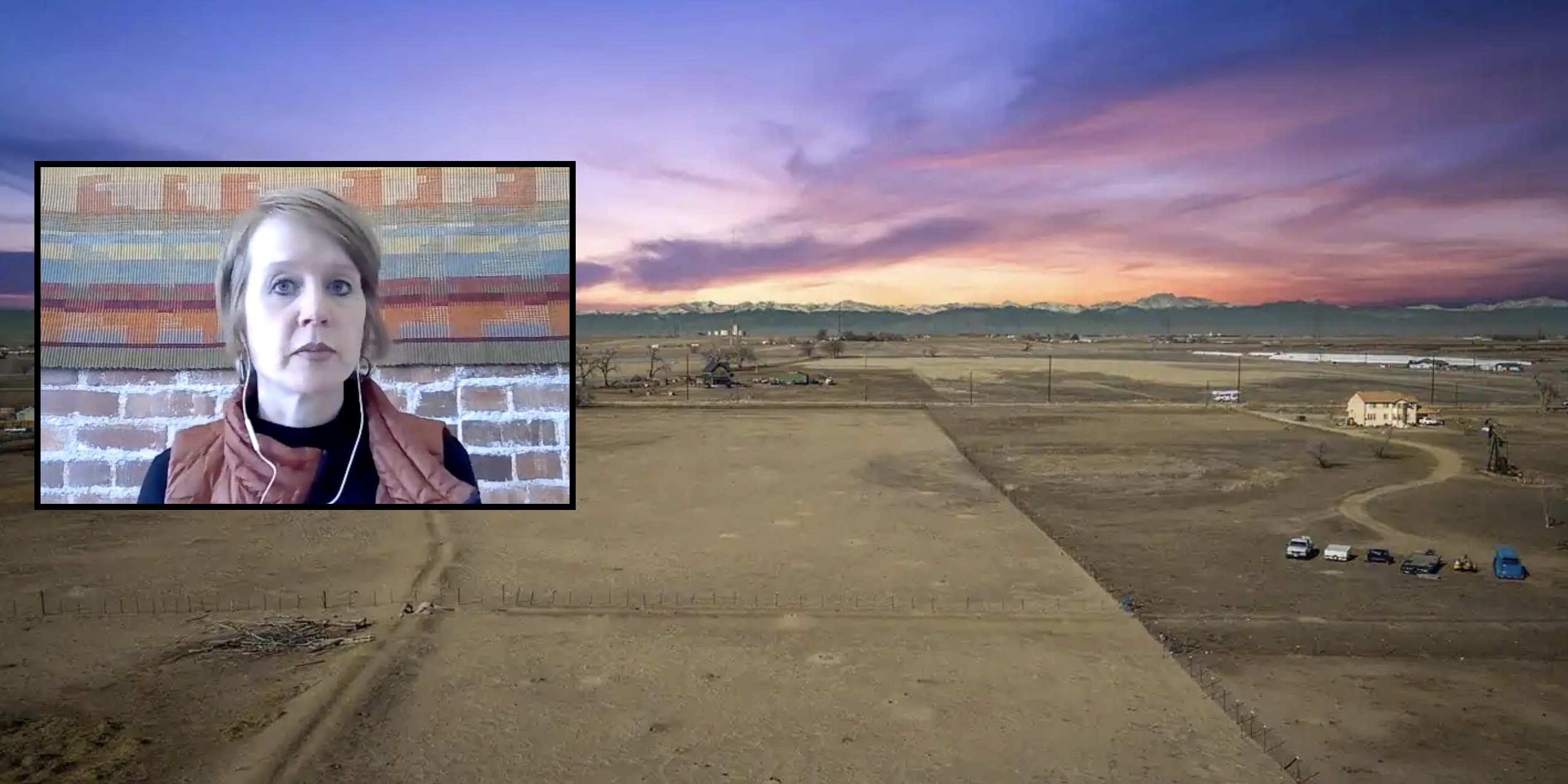
Family doctor Lauren Hughes’ clinic is just a couple miles down the road from Congressman Evans home.

Family medicine physician Lauren Hughes has a simple request of U.S. Congressman Gabe Evans: “It doesn’t have to be this way … [You don’t] have to keep supporting Medicaid cuts.”

Dr. Hughes works at a nonprofit health center in Fort Lupton, a small rural town in Weld County that is also home to Evans. At her clinic, which is just down the road from Evans’ home, Hughes’ patients are mostly low-income families, typically with both parents working one or more jobs to provide for their kids.

As part of a virtual press conference hosted by the Committee to Protect Health Care on Thursday afternoon, Hughes shared her experiences caring for Fort Lupton’s working-class families and seniors.

“In the district where I work,” said Hughes, “Gabe Evans represents just over 214,000 Coloradans who get their health care through Medicaid. This amounts to nearly one in three people in the 8th Congressional District, including nearly 86,000 women and more than 95,000 children. These include children with a wide range of health conditions who require regular and sustained care, from common ones like asthma to serious conditions such as birth defects or cancer or the impact of trauma. Thanks to Medicaid, they now have a way to see a doctor and to get the treatment and care to manage their conditions.

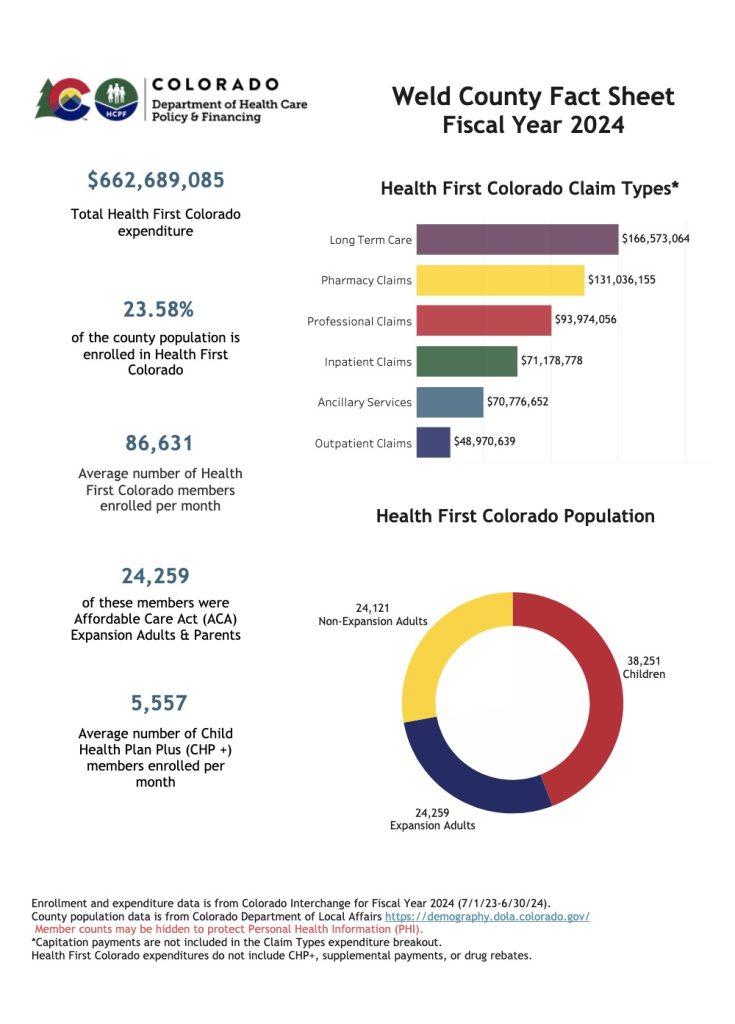
Weld County Medicaid enrollee data via CO Dept. of Health Care Policy & Financing

“Under the bill that Congressman Gabe Evans voted for, now these families will have to do even more paperwork and pay more fees just to keep getting the Medicaid they already qualify for. Making families jump through even more hoops to get the health care they need is likely to lead them to being kicked off of Medicaid. When this happens, more patients like mine will suffer.” 

Asked about the impact the Trump-backed bill’s Medicaid cuts will have on rural communities like Fort Lupton, Hughes responded with a two-part answer, looking at both the consequences for healthcare providers and the towns they serve, as well as for individual patients.

“I’ll respond to this question in two ways: I’ll talk first about the institution of the hospital and the community, and then what this means for those patients in those communities. With a concern for uncompensated care increasing, if you couple that with a decline in Medicaid revenue coming into these facilities for a wide variety of reasons, this absolutely would very likely lead to further destabilization for hospitals, many of which already are operating at slim positive margins at best, and many are operating in the red across the country. 

“This may put these hospitals in a position of having to decide, ‘Do we close this service line like say do we close labor and delivery right which cuts off access to those important services in that community and or in severe cases do we have to close permanently altogether right and often a rural hospital has, you know, it’s the largest if not the second or third largest employer in a rural community and offers high-paying jobs. If the service line closes or that hospital closes, you lose those high-paying jobs and those individuals will start to commute away from that community to work and may leave. That impacts ultimately your tax base to support other needed services in that community, making it hard in the future to attract and retain new businesses when you don’t have local access to health care. 

“So that’s what can happen to the hospitals and to the communities. and then [for] the individual patients in these communities, with any kind of Medicaid cuts it will lead to increased uninsured rates and then patients would have to decide, ‘Am I going to skip care, am I going to delay care, how am I going to navigate that?’ and for all of us that could lead to rising costs because acute exacerbations of chronic illnesses are more expensive. 

“Ultimately, if that rural hospital closes a service line or closes altogether, those patients may have to seek care in urban centers, where the cost of that care could very well be more expensive than it would be if it had been offered locally. So it’s really a domino effect that we might see, both to the patients, the hospital, and to the local economies in these rural and frontier communities.”

Despite nonpartisan analysis showing that a bill backed by Evans and other Republicans in Congress will result in millions of people losing their Medicaid health insurance, Evans insists the program is not targeted for cuts under the legislation. “Under the Republican plan, Medicaid will continue to grow every single year. What we are doing is getting the fraud, waste and abuse out of Medicaid so that the program is actually not just financially viable, but it’s more efficient and it works for the people that actually rely on this critical service,” Evans said on KNUS radio’s Jeff and Bill show this week. His statement released immediately following his vote in favor of the bill acknowledges that an estimated 7.6 million people will lose their health insurance, but he characterizes all of them as “ineligible populations.”

Evans office did not respond to a request for comment on Dr. Hughes’ statement. This article will be updated with any response received.

Hughes was one of four doctors from across the country who joined the CPHC press conferenced to share their thoughts and concerns about the potential cuts to Medicaid included in House Republicans’ budget reconciliation bill. The full press conference is available online here.

Comments

Recent Comments


Posts about

Donald Trump
SEE MORE

Posts about

Rep. Lauren Boebert
SEE MORE

Posts about

Rep. Gabe Evans
SEE MORE

Posts about

Colorado House
SEE MORE

Posts about

Colorado Senate
SEE MORE

67 readers online now

Newsletter

Subscribe to our monthly newsletter to stay in the loop with regular updates!