U.S. Senate See Full Big Line

(D) J. Hickenlooper*

(D) Julie Gonzales

(R) Janak Joshi

80%

40%

20%

(D) Michael Bennet

(D) Phil Weiser
55%

50%↑
Att. General See Full Big Line

(D) Jena Griswold

(D) M. Dougherty

(D) Hetal Doshi

50%

40%↓

30%

Sec. of State See Full Big Line
(D) J. Danielson

(D) A. Gonzalez
50%↑

20%↓
State Treasurer See Full Big Line

(D) Jeff Bridges

(D) Brianna Titone

(R) Kevin Grantham

50%↑

40%↓

30%

CO-01 (Denver) See Full Big Line

(D) Diana DeGette*

(D) Wanda James

(D) Milat Kiros

80%

20%

10%↓

CO-02 (Boulder-ish) See Full Big Line

(D) Joe Neguse*

(R) Somebody

90%

2%

CO-03 (West & Southern CO) See Full Big Line

(R) Jeff Hurd*

(D) Alex Kelloff

(R) H. Scheppelman

60%↓

40%↓

30%↑

CO-04 (Northeast-ish Colorado) See Full Big Line

(R) Lauren Boebert*

(D) E. Laubacher

(D) Trisha Calvarese

90%

30%↑

20%

CO-05 (Colorado Springs) See Full Big Line

(R) Jeff Crank*

(D) Jessica Killin

55%↓

45%↑

CO-06 (Aurora) See Full Big Line

(D) Jason Crow*

(R) Somebody

90%

2%

CO-07 (Jefferson County) See Full Big Line

(D) B. Pettersen*

(R) Somebody

90%

2%

CO-08 (Northern Colo.) See Full Big Line

(R) Gabe Evans*

(D) Shannon Bird

(D) Manny Rutinel

45%↓

30%

30%

State Senate Majority See Full Big Line

DEMOCRATS

REPUBLICANS

80%

20%

State House Majority See Full Big Line

DEMOCRATS

REPUBLICANS

95%

5%

Generic selectors
Exact matches only
Search in title
Search in content
Post Type Selectors
January 31, 2014 09:11 AM UTC

Birth Defect Study, Panned By State, Roils "Fracking" Debate

  •  
  • by: Colorado Pols
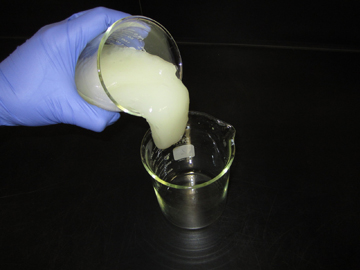
Fracking fluid.
Fracking fluid.

A troubling story published last night from Renee Lewis of Al Jazeera America:

Living near hydraulic fracturing — or fracking — sites may increase the risk of some birth defects by as much as 30 percent, a new study suggests. In the U.S., more than 15 million people now live within a mile of a well.

The use of fracking, a gas-extraction process through which sand, water and chemicals are pumped into the ground to release trapped fuel deposits, has increased significantly in the U.S. over the past decade. Five years ago, the U.S. produced 5 million barrels of oil per day; today, it's 7.4 million, thanks largely to fracking…

The report by the Colorado School of Public Health, released Jan. 28, gathered evidence from heavily drilled rural Colorado, which has among the highest densities of oil and gas wells in the U.S.

“What we found was that the risk of congenital heart defects (CHD) increased with greater density of gas wells — with mothers living in the highest-density areas at greatest risk,” Lisa McKenzie, a research associate at the Colorado School of Public Health and the lead author of the study, told Al Jazeera.

Here's a link to the full study from the Colorado School of Public Health, titled "Birth Outcomes and Maternal Residential Proximity to Natural Gas Development in Rural Colorado."

The first thing we're obliged to note here is the swift and negative response to this study from officials at the Colorado Department of Public Health and Environment. We found Dr. Larry Wolk of CDPHE's official response, among other places, on a pro-fracking Pennsylvania website.

Overall, we feel this study highlights interesting areas for further research and investigation, but is not conclusive in itself. We agree there is public concern about the effects of oil and gas operations on health, including birth outcomes. While this paper was an attempt to address those concerns, we disagree with many of the specific associations with the occurrence of birth defects noted within the study. Therefore, a reader of the study could easily be misled to become overly concerned.

As Chief Medical Officer, I would tell pregnant women and mothers who live, or who at-the-time-of-their-pregnancy lived, in proximity to a gas well not to rely on this study as an explanation of why one of their children might have had a birth defect. Many factors known to contribute to birth defects were ignored in this study.

While the study was based on data provided by CDPHE, the authors note on page 1, the department specifically disclaimed responsibility for any analyses, interpretations or conclusions drawn by the authors.

And of course, in the Al Jazeera story, the Colorado Oil and Gas Association gives the study little weight.

Doug Flanders, a spokesman for the COGA, told Al Jazeera in an email that the new study contained “many deficiencies.”

“For example, if you look beyond the author’s narrative and study the actual data and tables she used — you will see that in half the cases there was a decreased risk of pre-term birth the closer mothers lived near (wells), which shows the study’s problems,” Flanders said, referring to the increased likelihood McKenzie and the other scientists found between proximity to wells and having a baby at full term…

Reading the enumerated objections to this study from Dr. Wolk's statement, and this response from the infamous Doug Flanders of COGA, the points where they say more clarity or further background is needed are certainly worth further investigation–such as other factors that may have contributed to the higher incidence of birth defects found in the study. But from our read, those unanswered questions don't make the higher incidence of birth defects near fracking sites in Colorado clearly indicated by this study less troubling. If readers should not "rush to judgment," as Dr. Wolk dismissively suggests, then at the very least this study should increase the urgency to verify or refute its conclusions with hard data.

In Colorado, as readers know, a major battle is shaping up this election year over the conflict between public health in residential areas threatened by fracking, and the constitutional "split estate" rights of energy companies to extract resources from under those same communities. A statewide ballot measure drive is underway to allow local communities to stop harmful industrial activity within their boundaries, as a number of Front Range cities have very controversially done with hydraulic fracture drilling. COGA and the state have sued to reverse votes by local communities to suspend or ban fracking.

Here's a study that could give many more Colorado moms a reason to join them. If the Hickenlooper administration and the energy industry want to convince them otherwise, they'll have to do better than chipping around the margins of a frightening bottom line.

Comments

Recent Comments


Posts about

Donald Trump
SEE MORE

Posts about

Rep. Lauren Boebert
SEE MORE

Posts about

Rep. Gabe Evans
SEE MORE

Posts about

Colorado House
SEE MORE

Posts about

Colorado Senate
SEE MORE

65 readers online now

Newsletter

Subscribe to our monthly newsletter to stay in the loop with regular updates!