U.S. Senate See Full Big Line

(D) J. Hickenlooper*

(D) Julie Gonzales

(R) Janak Joshi

80%

40%

20%

(D) Michael Bennet

(D) Phil Weiser
55%

50%↑
Att. General See Full Big Line

(D) Jena Griswold

(D) M. Dougherty

(D) Hetal Doshi

50%

40%↓

30%

Sec. of State See Full Big Line
(D) J. Danielson

(D) A. Gonzalez
50%↑

20%↓
State Treasurer See Full Big Line

(D) Jeff Bridges

(D) Brianna Titone

(R) Kevin Grantham

50%↑

40%↓

30%

CO-01 (Denver) See Full Big Line

(D) Diana DeGette*

(D) Wanda James

(D) Milat Kiros

80%

20%

10%↓

CO-02 (Boulder-ish) See Full Big Line

(D) Joe Neguse*

(R) Somebody

90%

2%

CO-03 (West & Southern CO) See Full Big Line

(R) Jeff Hurd*

(D) Alex Kelloff

(R) H. Scheppelman

60%↓

40%↓

30%↑

CO-04 (Northeast-ish Colorado) See Full Big Line

(R) Lauren Boebert*

(D) E. Laubacher

(D) Trisha Calvarese

90%

30%↑

20%

CO-05 (Colorado Springs) See Full Big Line

(R) Jeff Crank*

(D) Jessica Killin

55%↓

45%↑

CO-06 (Aurora) See Full Big Line

(D) Jason Crow*

(R) Somebody

90%

2%

CO-07 (Jefferson County) See Full Big Line

(D) B. Pettersen*

(R) Somebody

90%

2%

CO-08 (Northern Colo.) See Full Big Line

(R) Gabe Evans*

(D) Shannon Bird

(D) Manny Rutinel

45%↓

30%

30%

State Senate Majority See Full Big Line

DEMOCRATS

REPUBLICANS

80%

20%

State House Majority See Full Big Line

DEMOCRATS

REPUBLICANS

95%

5%

Generic selectors
Exact matches only
Search in title
Search in content
Post Type Selectors
June 10, 2019 09:43 AM UTC

Coloradans Could Vote on Banning Abortions Later in Pregnancy in 2020

  •  
  • by: Madeleine Schmidt

(One election away… – Promoted by Colorado Pols)

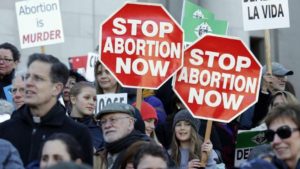
Abortion opponents have filed a ballot initiative in Colorado to ban what they refer to as “late-term abortions.”

The initiative, which would be up for a vote in 2020 if proponents gather the 124,632 signatures required to make it on the ballot, would ban nearly all abortions after 22 weeks gestation, around five months of pregnancy.

The proposed initiative contains no exceptions for rape or incest, and while there is an exception for abortions that are necessary to save the life of the mother, there are no exceptions for abortions to protect the health of the mother in cases that are not considered to be life-threatening. It also specifically states that “psychological or emotional conditions” that threaten the life of the mother will not be included as exceptions.

Doctors who perform unlawful abortions under this measure would be subject to a class three felony, punishable by up to 16 years in prison. It’s unclear, however, if women who perform abortions on themselves, or even have accidents that lead to miscarriage, would be subject to criminal prosecution as well.

Although the initiative states that “a woman on whom an abortion is performed… cannot be charged with a crime,” it also states that “any person who intentionally or recklessly performs or induces or attempts to perform or induce an abortion… is guilty of a class 3 felony.” [emphasis added]

The proposed ban comes in the wake of a nationwide wave of strict regulations on abortion, particularly in southern states like Alabama and Georgia, where near-total bans have been signed into law.

It can also be seen as the product of a recent escalation in inflammatory rhetoric and misinformation around the small percentage of abortions that occur later in pregnancy.

Anti-choice ballot initiatives have a poor track record in the state. Colorado voters have rejected three ballot measures in recent years that would have defined life as beginning at conception in Colorado’s constitution, thereby establishing “fetal personhood,” or the conferring of legal rights to fertilized eggs and fetuses.

A personhood initiative was voted on most recently in 2014, when it only received 35 percent of the vote. In 2008 and 2010, fetal personhood initiatives failed to break 30 percent.

Still, reproductive rights advocates are likely to see the 2020 initiative as a back door attempt at establishing fetal personhood, given that it describes a fertilized egg or fetus as an “unborn child.”

Unlike the personhood initiatives, which would have amended the state’s constitution, this new initiative is statutory.

Ballot initiatives seeking to change state statute require fewer signatures than those proposing constitutional amendments, meaning it will be easier to get this initiative on the ballot and up for a vote. But they’re also less permanent, since the state’s legislature has the ability to amend existing statute. If approved by voters, the ban could be threatened by pro-choice lawmakers in Colorado’s Democratically-controlled legislature and by the state’s pro-choice governor.

The initiative has been submitted to the Secretary of State’s office and now awaits a Title Board hearing to determine whether it meets state requirements and can move forward.

Comments

Recent Comments


Posts about

Donald Trump
SEE MORE

Posts about

Rep. Lauren Boebert
SEE MORE

Posts about

Rep. Gabe Evans
SEE MORE

Posts about

Colorado House
SEE MORE

Posts about

Colorado Senate
SEE MORE

82 readers online now

Newsletter

Subscribe to our monthly newsletter to stay in the loop with regular updates!